
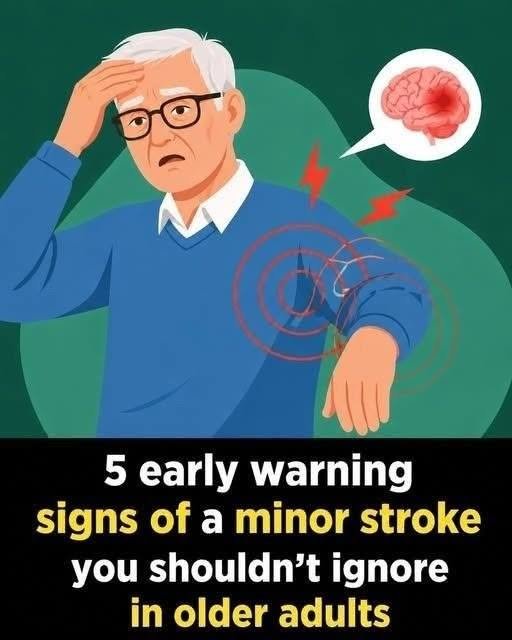
Strokes, also known as strokes, are critical medical emergencies that can affect anyone, although they are more common in the older population. In this age group, a mini-stroke, also called a transient ischemic attack (TIA), often presents with symptoms that are temporary, but should not be ignored. Catching these signs early can be crucial to a person’s long-term health. Here are five key symptoms that may indicate a mini-stroke in older people.
1. Sudden Loss of Strength or Sensation in a Part of the Body
One of the most common
2. Difficulty Speaking or Understanding Language
Slurred speech is
3. Vision Disturbances
4. Dizziness or Loss of Balance
Dizziness, unsteadiness or loss of balance are symptoms that should not be ignored either. A mini stroke can affect the brain in a way that causes a
5. Sudden and Severe Headache
Although headache is not always a classic symptom of a mini-stroke, a sudden, severe headache that has no apparent cause may be related to a TIA. This type of headache can be
Recognize and Act
Some risk factors that can contribute to mini-strokes include hypertension, diabetes, high cholesterol, and smoking. Therefore, regular medical evaluations are essential to monitor and control these risk factors in the older population. Brain health education and symptom identification are critical steps in prevention.
Finally, it is imperative that families and communities report the signs of