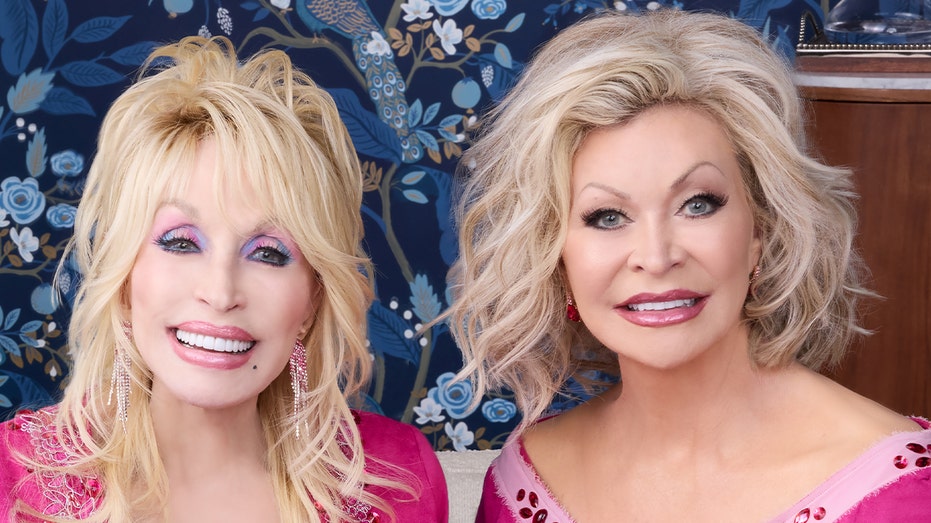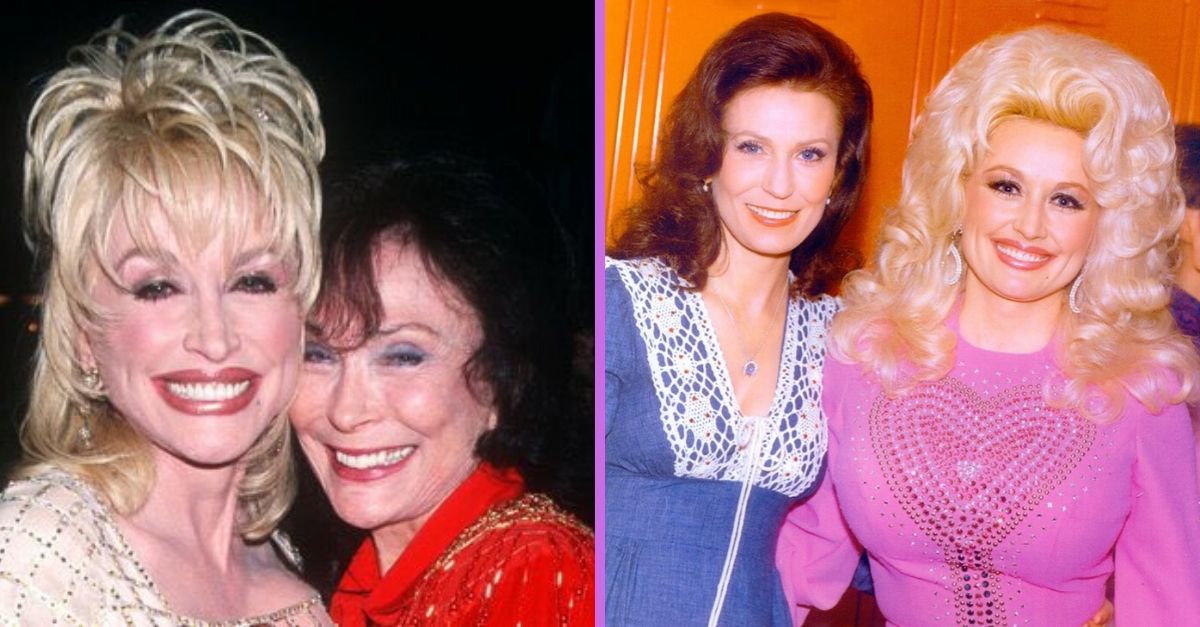
The Women Nashville Tried to Put in a Box
In the 1960s, the country music industry operated under rules that were rarely written down but strongly enforced. Radio programmers, record executives, and television producers often treated female artists as limited additions rather than central figures. There was a belief among many industry decision-makers that audiences would only accept a small number of women on country radio, meaning female singers were often forced to compete for the few opportunities available.
Into that environment came two young women from Appalachian backgrounds who would eventually redefine what was possible. Loretta Lynn arrived from the coal mining community of Butcher Hollow, Kentucky, carrying the stories of working-class families and the struggles she had witnessed growing up. Dolly Parton came from the Great Smoky Mountains of Tennessee, bringing with her the sounds, traditions, and memories of a large mountain family. Although they came from different places, Nashville initially saw them in the same way — talented women who needed to fit into a system already designed by others.
Instead of being encouraged to become leaders, they were often positioned as supporting figures beside more established male performers. Their voices were valued, but their independence was not always welcomed.
The Role They Were Expected to Play
Before becoming legends, both Loretta Lynn and Dolly Parton were asked to work within structures controlled by powerful men. The industry often presented these arrangements as opportunities, and in many ways they were important stepping stones. But they also came with limitations.
Loretta became closely associated with the Wilburn Brothers, performing alongside them and gaining valuable exposure through television and touring. Dolly entered the spotlight through her partnership with Porter Wagoner, joining his popular television program and becoming a familiar presence to country audiences. These opportunities introduced them to millions of listeners, but they also placed them in positions where they were expected to support someone else’s career before fully developing their own.
The challenge was not simply gaining attention.
The challenge was proving that they were more than a supporting voice.
Both women had their own stories to tell, their own artistic identities, and their own visions for the future.

Finding Friendship in a Competitive World
The country music industry often created an environment where women were encouraged to compete rather than support one another. Limited radio opportunities and fewer chances for female performers meant that many artists were viewed as rivals fighting for the same space.
But Dolly Parton and Loretta Lynn saw something different in each other.
They recognized a shared history that went beyond music. Both women came from humble Appalachian backgrounds. Both understood poverty, hard work, and the feeling of entering a world where powerful people questioned whether someone like them belonged.
Behind the glamorous outfits and carefully styled appearances were two women who understood the same struggles. They knew what it meant to be underestimated. They knew what it meant to have executives make decisions about their careers. And they knew the pressure of proving themselves in a business that often expected women to remain grateful rather than ambitious.
Their friendship became a source of strength in an industry that frequently tried to separate them.
The Quiet Conversations That Changed Everything
While audiences saw the performances, costumes, and television appearances, some of the most important moments happened away from the cameras. Backstage conversations allowed Dolly and Loretta to share experiences that few other people could understand.
They talked about the challenges of being women in country music. They understood the frustration of having their choices questioned and their ambitions limited. They knew that success required more than talent — it required determination, patience, and the courage to challenge expectations.